

Find the Perfect Used Car: How to Choose the Right Used Car for Your Budget
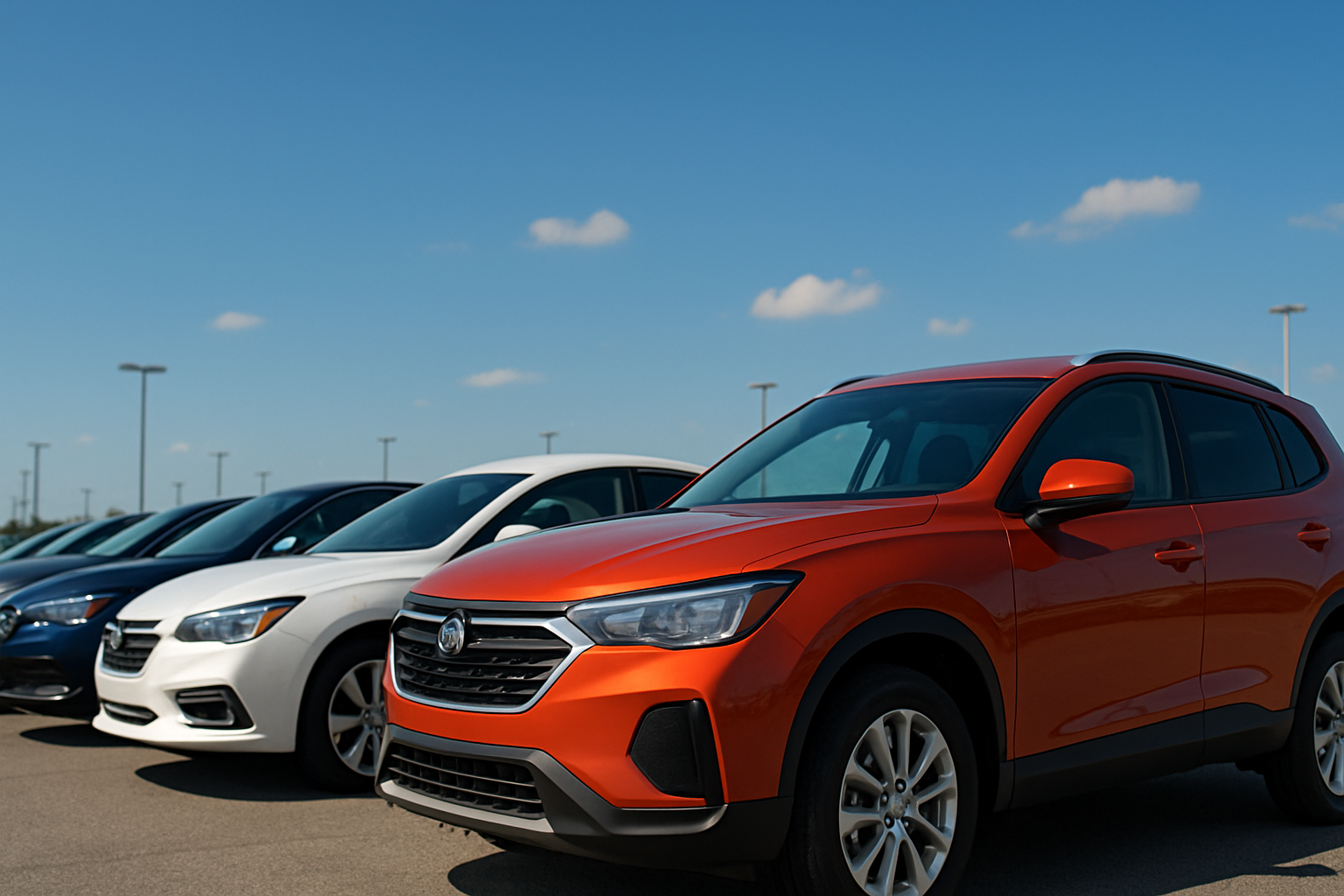
Choosing the right used car for your budget is one of the most important steps in the car buying process. Whether you’re buying a used car to replace your current vehicle, shopping for a reliable used car to commute, or trying to balance monthly payment goals with features you want, understanding the buying process, vehicle history, and total ownership costs will help you buy with confidence.
This guide covers essential factors to consider — from mileage, vehicle history reports, and certified pre-owned options to inspections, financing, and dealership reputation — so you can find a quality used vehicle that fits your budget and lifestyle.
What used car should I consider based on mileage and repair costs?
Mileage is one of the most visible indicators of a used vehicle’s remaining life and potential repair costs. Lower mileage cars often command higher prices but can provide better peace of mind and lower near-term repair costs. When evaluating a used car, compare the mileage to the typical life expectancy of the makes and models you’re considering — some car brands like Toyota and other reliable used car manufacturers are known for longevity even with higher mileage.
Use a repair costs estimate and an online calculator to forecast maintenance expenses, factoring in things like timing belt replacement, brake service, and tires. A vehicle history report can show patterns (frequent repairs, repeated claims) that hint at future costs. If a car has higher mileage but excellent maintenance records and a clean history report, it can still be a good used buy that fits your budget.
How can a vehicle history report and history report help me buy a used with confidence?
A vehicle history report plays a vital role in making an informed used car purchase. A thorough history report reveals title problems, accident history, flood damage, odometer discrepancies, and previous ownership. Using consumer reports and trusted vehicle history services helps you gain peace of mind and avoid hidden issues that lead to unexpectedly high repair costs.
Ask the dealer or private seller for the vehicle history report up front. If you’re buying through a dealership, many dealerships provide history reports for free. For certified pre-owned cars, a complete vehicle history report is often included as part of the certification, giving you more transparency and a clearer picture of the car’s past.
Should I choose certified pre-owned or another pre-owned option when I buy a used car?
Certified pre-owned (CPO) vehicles can offer extra benefits like extended warranties, multi-point inspections, and a guarantee from the manufacturer or dealership. If you want additional peace of mind and are willing to pay a bit more upfront, certified pre-owned can be a smart choice. Compare the terms of the CPO program and the included coverage to ensure it fits your needs and budget.
Non-certified pre-owned cars can still be quality used options if they have been maintained and properly inspected. When considering any pre-owned vehicle, evaluate the inspection records, ask for a vehicle history report, and weigh the difference in price between CPO and non-CPO against potential repair costs and the likelihood of needing covered service.
How important is an inspection before I buy a used vehicle?
Having a used vehicle inspected by an independent mechanic is one of the most effective ways to avoid surprises after purchase. A professional inspection can uncover hidden issues with the engine, transmission, suspension, and safety features that may not show up on a test drive. Many car buyers skip this step to save time, but paying for an inspection upfront can save thousands in future repair costs.
Look for cars that have records showing they were recently inspected or have been through dealer inspections. For private sales, insist on a pre-purchase inspection and make your offer contingent on the findings. Cars that have been inspected and come with documentation of maintenance and repairs are easier to evaluate and often represent better value for your budget.
What should I test drive to verify a used car meets my needs?
A thorough test drive helps you evaluate comfort, performance, and whether the car fits your daily needs. During the test drive, check how the car handles at different speeds, listen for unusual noises, test the brakes and transmission, and make sure the safety features are functioning. Bring a checklist and take at least 20–30 minutes to get a realistic feel for the car.
Try driving in traffic and on the highway to simulate your regular routes. Verify that the car’s features — climate control, infotainment, seat adjustments, and driver-assist safety features — work as expected. If anything feels off, factor potential repair costs into your offer or walk away to look for a better-used car that fits your budget and needs.
How will financing, monthly payment, and car loan options affect my ability to buy a used car?
Financing plays a major role in what used car fits your budget. Use a loan calculator or car payment calculator to test scenarios: different down payments, loan terms, and interest rates. Lower monthly payments might be tempting, but longer loan terms can increase total interest paid and leave you owing more than the car is worth.
Check your credit score before you apply and shop around for pre-approval. Many used car dealerships offer in-house financing or partnerships with lenders, but getting pre-approved allows you to compare interest rates and negotiate better. If you’re trading in, understand the value of your current car and how it affects down payment and monthly payment calculations.
How do I choose the right car brand and makes and models for reliability and resale value?
Some car brands and models have consistently strong reputations for reliability and lower repair costs. Consumer reports, manufacturer reliability rankings, and owner forums can help you narrow down car brands that match your priorities. If low cost of ownership and dependable performance matter most, prioritize makes and models known for durability, like certain Toyota models, combined with good maintenance histories.
Consider how many car brands and specific makes and models are available in your price range and region. Research common issues for the models you’re considering and weigh resale value. A quality used car from a reliable brand may cost a little more upfront but can save you money in repair costs and depreciation over time.
Should I buy from a dealership, used car dealership, or private seller?
Each option has pros and cons. Dealerships and used car dealerships often offer certified pre-owned vehicles, vehicle history reports, warranties, and financing options, which can provide more consumer protection. Buying from a private seller may yield a lower purchase price, but it typically comes with less recourse if problems arise and often no inspection or certification.
When choosing where to buy, consider the level of trust you need, the availability of a vehicle history report, and whether you want the added coverage of a dealership-backed warranty. Reputable dealerships can help streamline the buying process, while private sales may require more diligence — inspection, history report, and clear title verification — to ensure you’re getting the right vehicle that fits your budget.
How do I balance the buying process between buying a new car and buying used?
Deciding between buying a new or used car depends on budget, desired features, and overall value. New cars offer the latest safety features and manufacturer warranties but come with higher purchase prices and faster depreciation. Buying used can deliver more value for your money, especially if you focus on late-model used cars with low mileage and good warranty coverage.
Weigh immediate costs (monthly payment, down payment) against long-term costs (repair costs, depreciation). If you want to buy a used vehicle, look for models that balance modern safety features and technology with affordability. Use consumer reports and dealership offers to compare comparable new and used options and determine which fits your budget needs and lifestyle.
What factors should I consider to ensure the used car fits your budget and needs?
Start by listing your needs and budget: commuting distance, cargo space, safety features, and how long you plan to keep the car. Use a loan calculator to determine a realistic monthly payment and factor in insurance, fuel, maintenance, and potential repair costs. Consider the vehicle that fits your budget not just by price, but by total cost of ownership.
Other factors to consider: availability of parts, fuel efficiency, certification status, and potential trade-in value. Take your time during car shopping, compare multiple cars and dealerships, request vehicle history reports, and get independent inspections to ensure the car you buy will be the right car for your needs without surprising repair costs.
How can consumer reports, inspections, and dealer reputation help me find a trusted used car?
Consumer reports and independent reviews are invaluable when narrowing down models that have strong safety features, low repair costs, and high owner satisfaction. Use these resources to check reliability ratings, common problems, and how different cars perform in safety tests. Coupled with thorough inspections and vehicle history reports, consumer insights make it easier to find the perfect used car.
Research dealership reviews and reputation when choosing where to buy. Trusted used car dealerships often provide transparent vehicle history reports, inspection records, and post-sale support. Whether you’re buying from a dealership or a private seller, verified inspection reports and strong consumer reports backing a model can give you more confidence in your purchase.
How long should I take when choosing the next car to ensure I find the right used car?
Take your time. Rushing the buying process increases the risk of overlooking critical issues that result in higher repair costs or buyer’s remorse. Spend time researching makes and models, using loan calculators, and scheduling inspections. Test drive multiple cars and compare vehicle history reports before making an offer.
If you find a great deal, don’t hesitate to move quickly, but balance speed with diligence. Look for late-model used cars with comprehensive maintenance records, clear vehicle history reports, and preferably some warranty coverage. The goal is to find a reliable used car that fits your budget and gives you peace of mind for years to come.
Conclusion: Key takeaways to find the perfect used car that fits your budget
- Start with needs and budget: list priorities and use a loan calculator to plan monthly payment and overall costs.
- Check vehicle history reports and history report details to avoid hidden problems and reduce repair costs.
- Consider certified pre-owned for added warranty and peace of mind, especially when buying from dealerships.
- Always get an independent inspection and take a thorough test drive to verify condition and safety features.
- Compare car brands and makes and models using consumer reports to find reliable used car options with lower long-term costs.
- Shop financing options and know your credit score before taking out a car loan to secure favorable terms.
- Factor in mileage, maintenance records, and potential repair costs to ensure the car fits your budget and needs.
- Take your time, research dealerships and sellers, and use vehicle history reports to make an informed purchase.
For trusted local help, consider Right Choice Motors LLC, a Used Car Dealer in Springfield, MO, where you can inspect quality used cars, review vehicle history reports, and discuss financing to buy a used or certified pre-owned vehicle that fits your budget. Whether you’re buying a used car or weighing new and used options, a reputable dealership can provide the inspection records, warranty options, and consumer reports insight that help you find the perfect used car. Right Choice Motors LLC focuses on helping buyers find the right vehicle with clear mileage and history, practical monthly payment solutions, and transparency about repair costs so you can confidently buy the right used car that truly fits your budget.