How We Inspect a Used Car: Thorough Used Car Inspection and Pre-Purchase Inspection
Buying or selling a used car is a significant decision — one that depends on a careful used vehicle inspection and a reliable inspection checklist. Whether you are a buyer researching pre-owned vehicles or a seller preparing to sell the car, understanding how we inspect used vehicles before selling helps you spot hidden problems, assess vehicle history, and make an informed decision. This guide outlines our approach to examining a used car, from the initial visual check to a full pre-purchase inspection by a mechanic, ensuring every used car we handle is well-maintained and ready for the road.
1. How do we begin the used car inspection process at the dealership?
Every used car inspection begins with a structured inspection checklist and an initial walkaround to assess the body condition and identify any dents, dings, or uneven wear. We verify the vehicle identification number (VIN) and check the odometer and mileage against the vehicle history report, like Carfax or AutoCheck, to confirm the car’s history, past accidents, and service history. This step helps reveal if the car has been driven hard, has been cared for, or needs a deeper look for hidden problems.
At the dealership, we also evaluate the exterior for signs of repainting or filler that might indicate past accidents. We check the undercarriage for rust and corrosion and inspect tires for tread depth and sidewall damage. These quick checks help determine whether the used vehicle is a smart investment or needs repairs before selling.
2. What does our inspection checklist include for the engine and mechanical systems?
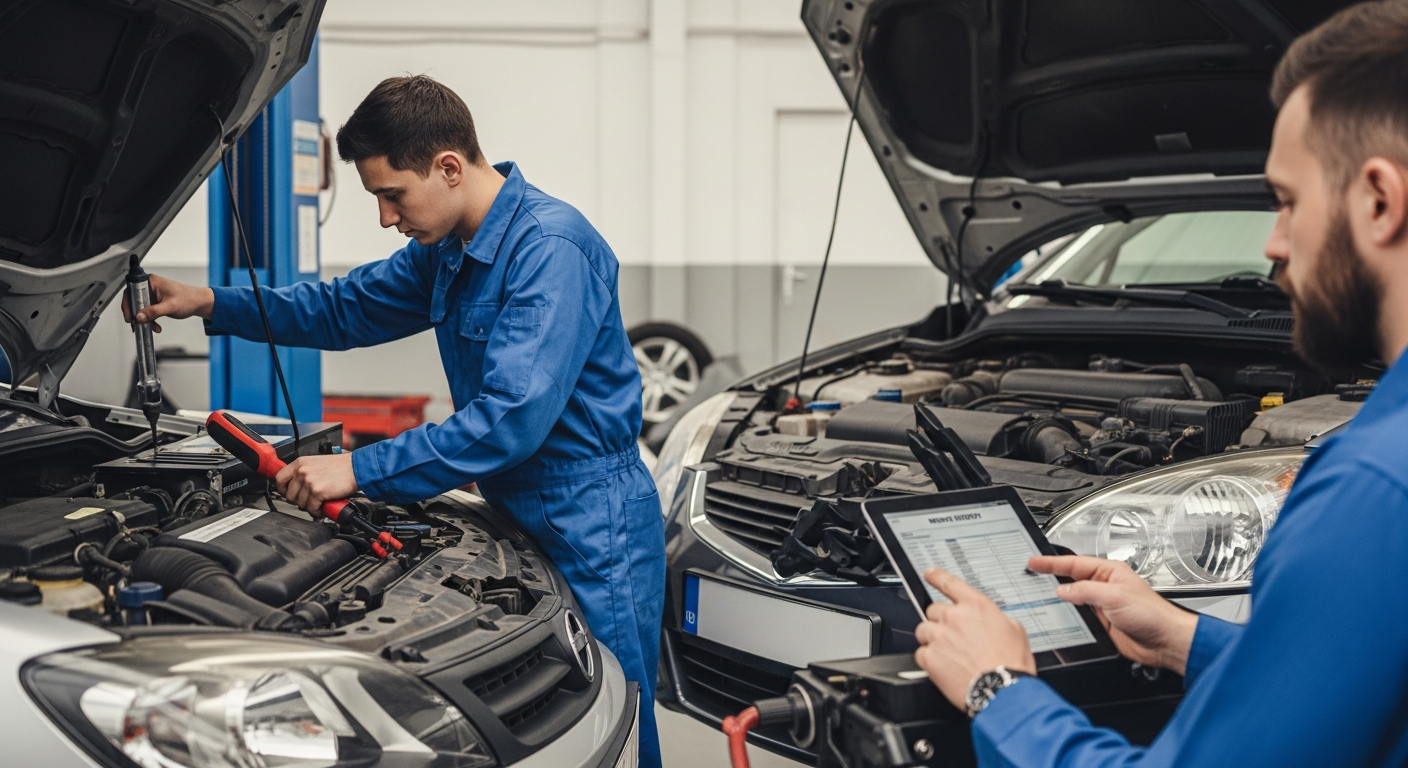
Our mechanic-led checklist focuses on engine oil condition, leaks, and overall engine health. We inspect the timing belt or chain if applicable, listen for unusual noises, and check battery health and charging systems. A thorough inspection includes testing the power steering, brakes (including brake pads and rotors), and ensuring the transmission shifts smoothly during a test drive. These checks help estimate repair costs and reveal potential issues that could affect safety and performance.
We also run OBDII diagnostics to read fault codes and ensure the motor vehicle does not have active engine or emissions warnings. When buying a used car, this proactive approach gives buyers confidence and sellers a clear picture of what repairs are needed to make the car reliable and well-maintained.
3. How do we inspect the vehicle history and documentation?
Inspecting vehicle history is a cornerstone of any pre-purchase inspection. We obtain a vehicle history report, such as Carfax or AutoCheck, using the VIN to look for past accidents, flood damage, title issues, and past odometer discrepancies. This report, combined with service history and repair receipts, informs us whether the car has been cared for with regular oil changes, scheduled maintenance, and timely repairs.
We verify that the registration, title, and any warranties or certified pre-owned documentation are accurate and current. For buyers, confirming vehicle history reduces the risk of discovering hidden problems after purchase. For sellers, providing transparent documentation builds trust and can improve resale value at the dealership or in private sales.
4. What do we look for when we inspect the interior and electronics?
Inspecting the car’s interior focuses on the headliner, seats, carpets, and dashboard for wear and tear or water stains that may indicate leaks or past flood damage. We look for rips, stains, and uneven wear that suggest the car has not been cared for. Checking navigation, infotainment systems, and all interior electronics—including turn signals, power windows, and climate control—ensures there are no electrical gremlins that can be costly to repair.
We test features like seat adjustments, heated seats, and the backup camera during a pre-purchase inspection. Any malfunctioning electronics or cosmetic issues are documented in the car inspection report so buyers understand repair costs and sellers know what to address before listing the used vehicle.
5. How do we perform a test drive, and what should we monitor?
The test drive is where much of the car’s real condition reveals itself. We drive on mixed roads to check for steering alignment, braking performance, transmission shifting, engine responsiveness, and suspension comfort. During the drive, listen for noises from the engine, suspension clunks, or uneven wear vibrations that may indicate alignment or tire issues. Pay attention to how the car accelerates, idles, and whether the check engine light or other dashboard warnings illuminate.
We also test the car at various speeds to check for stability and to ensure the brakes provide consistent stopping power. A thorough test drive is a critical part of used car buying and selling because it helps identify hidden problems that a visual inspection might miss.
6. When should we call a mechanic for a pre-purchase inspection (PPI)?
A pre-purchase inspection (PPI) by a qualified mechanic is recommended for most used-vehicle purchases, especially for older cars, high-mileage vehicles, or when buying from a private seller. A mechanic can perform special tests, use diagnostic tools like OBDII scanners, inspect the undercarriage for rust, and evaluate items that require special tools, such as the timing components or internal transmission inspection.
For buyers, a PPI provides peace of mind and a clearer estimate of repair costs, helping you decide whether to buy, negotiate a price, or walk away. For sellers, having a recent PPI can increase buyer confidence and streamline the process of selling your car at a dealership or privately.
7. How do we check tires, brakes, and suspension during inspection?
Tire inspection includes checking tread depth, sidewall condition, and looking for uneven wear patterns that might indicate alignment problems or suspension issues. We measure tread depth and look for bald spots, which affect safety and could lead to uneven handling. Brake inspection involves checking pad thickness, rotor condition, and any signs of brake fluid leaks or unusual wear.
For suspension, we look for worn bushings, leaking shocks, and perform a bounce test to evaluate damping. These elements directly impact ride quality and safety, and determining repair costs for brakes or suspension is an essential consideration in the used car purchase process.
8. How do we assess the exterior and structural condition for hidden problems?
Exterior and structural inspection means checking for dents, paint inconsistencies, and signs of repair that could hint at past accidents. We look for mismatched panels, overspray on trim, and gaps that may suggest bodywork. Inspecting the undercarriage for rust and damage reveals exposure to salt or water, which can cause long-term problems and affect the car’s value.
We also check the seams, headlight, and taillight condition, and the overall body condition to ensure the vehicle is presentable and structurally sound. A thorough assessment helps determine whether a used car is a reliable car or a vehicle with hidden problems that could increase repair costs.
9. What role do vehicle history reports, like Carfax or AutoCheck, play in our inspection?
Vehicle history reports are indispensable tools in a used car inspection. A Carfax or AutoCheck report provides details on past accidents, title status, odometer readings, and service records. These reports flag potential red flags such as salvage titles or inconsistent mileage, helping buyers and dealerships make informed decisions about the safety and value of the vehicle.
While history reports are powerful, they should be paired with a physical inspection and a mechanic’s evaluation to catch issues not recorded in the database. Combining reports, PPI, and a buyer’s own test drive gives the most comprehensive view of a used car’s condition.
10. How do we prepare a used car for selling and ensure it is well-maintained?
Preparing a used car for sale includes addressing minor repairs, performing routine maintenance like oil changes, replacing worn tires, and ensuring brakes are in good condition. Cleaning the car thoroughly, both inside and out, and fixing cosmetic issues like small dents or headliner stains improves buyer perception and increases market value. Providing service history and a recent inspection checklist or PPI can accelerate sales at dealerships or in private transactions.
For sellers, disclosing known issues and offering a clean vehicle history report builds trust. At dealerships, we often certify pre-owned vehicles after completing multi-point inspections and repairs, creating a reliable car that can be backed by warranty programs and give buyers confidence in their smart investment.
11. How do we evaluate high-risk items like odometer rollback, flood damage, or frame damage?
Detecting odometer rollback requires comparing the odometer reading with service records and the vehicle history report. Inconsistent mileage entries or sudden drops in recorded mileage are red flags. Flood damage can be revealed by musty odors, water stains in carpets and headliner, and corrosion in hidden areas like behind panels or under the trunk mat. Checking electronics for unexplained failures also helps detect past water exposure.
Frame damage assessment includes looking for welds, mismatched bolts, and uneven panel gaps; a professional mechanic or body shop inspection is recommended for suspected structural damage. Addressing these high-risk items before buying or selling the car reduces long-term repair costs and personal liability concerns.
12. How do we estimate repair costs and decide whether to buy or sell?
Estimating repair costs begins with a mechanic’s assessment and gathering quotes for necessary repairs. Factor in parts (OEM vs aftermarket), labor, and whether the vehicle will be certified pre-owned after repairs. Compare repair costs to the market value of similar well-maintained vehicles; if repair costs exceed the premium you gain by fixing issues, it might be better to negotiate the price or walk away.
For sellers, understanding repair costs helps set a realistic asking price or decide whether the dealership should perform the repairs prior to listing. For buyers, a clear estimate of repair costs provides leverage in negotiations and helps determine if the used car purchase is a smart investment.
13. How do dealerships like ours use this inspection process to support used-car buyers?
Dealerships use a standardized pre-purchase inspection and vehicle inspection checklist to ensure every used car meets quality standards before it hits the lot. This includes verifying vehicle history, performing a PPI, and addressing mechanical or cosmetic issues. Certified pre-owned programs add extra assurance with extended warranties and thorough service history documentation, appealing to buyers seeking reliability and peace of mind.
At the dealership, transparent communication about inspection findings, documented repairs, and available vehicle history reports helps buyers make an informed decision. A well-documented inspection process reduces the risk of hidden problems and improves buyer satisfaction during the car-buying journey.
14. What final checks do we perform before listing a used vehicle for sale?
Final checks include confirming all fluid levels (engine oil, transmission fluid, brake fluid), ensuring lights and signals function properly, and that tires meet safety standards. We also re-run a quick diagnostic scan, verify the VIN and title paperwork, and perform a final test drive to confirm there are no new or intermittent issues. A last cosmetic detail, like cleaning the car and addressing small dents, improves presentation.
Providing potential buyers with a detailed inspection checklist, vehicle history report, and any receipts for recent repairs or maintenance increases transparency. These steps support an honest sale and make selling your car at a dealership or privately more efficient and trustworthy.
15. How can buyers and sellers make the most informed decision using our inspection findings?
Buyers should get a copy of the inspection checklist, vehicle history report, and consider a mechanic’s PPI to corroborate dealership findings. Use the information to negotiate price, ask for repairs, or make a contingency offer. Sellers should address major maintenance items and have documentation ready to prove the car has been cared for, such as oil changes and service history, increasing buyer confidence and sale price.
Ultimately, combining inspection findings, vehicle history, and a thorough test drive empowers both buyers and sellers to make an informed decision. Whether you’re buying a used car or selling one, a transparent and thorough inspection process reduces surprises and helps find a reliable car for its next owner.
16. What should be on your personal inspection checklist when buying a used car?
Create a personal inspection checklist before you visit a dealership or private seller: verify VIN and vehicle history report, inspect body for dents and rust, check tires and tread depth, test electronics and navigation, and bring a mechanic for a PPI. Include a test drive checklist: listen for noises, test brakes, evaluate steering, and observe transmission shifts. Having a checklist prevents overlooking crucial details that can uncover hidden problems.
Bring a flashlight, a magnet (to detect filler on body panels), and a smartphone to record any issues. Ask for service history and receipts for oil changes and repairs. A well-prepared buyer is more likely to spot issues and negotiate effectively, ensuring a smart investment when purchasing a pre-owned vehicle.
Summary of Key Takeaways
- Start with a thorough used car inspection checklist: VIN, mileage, and vehicle history report are essential.
- Perform a detailed visual inspection: check the body for dents, the undercarriage for rust, and the tires for uneven wear.
- Have a mechanic conduct a pre-purchase inspection (PPI) and run OBDII diagnostics for hidden problems.
- Test drive the car on mixed roads to evaluate brakes, transmission, steering, and overall performance.
- Review Carfax/AutoCheck reports, service history, and receipts to confirm the car has been cared for.
- Estimate repair costs against market value to determine if the used car purchase is a smart investment.
- Dealerships should provide transparent documentation and a multi-point inspection to build buyer trust.
At Right Choice Motors LLC, a Used Car Dealer in Springfield, MO, we use a standardized inspection checklist and experienced mechanics to inspect every used car before selling. Our pre-purchase inspection process includes vehicle history report checks like Carfax, a professional mechanic evaluation, and a comprehensive test drive to uncover hidden problems. Whether you are buying or selling your car, rely on our thorough inspection to review mileage, service history, and repair costs so you can make an informed decision about a reliable car. Choosing the right dealership means your pre-owned vehicle is well-maintained, clean, and ready for its next owner — a smart investment supported by transparent car inspection and honest service.