

Best Used Family Cars and SUVs for Long Road Trips

Choosing the right used car for family travel can make the difference between a stressful drive and a memorable adventure. Whether you’re planning long road trips, weekend getaways, or visiting family across state lines, a reliable road trip car with roomy cabin space, impressive fuel economy, and advanced safety features is essential. This guide highlights top choices—including used SUVs, minivans, and crossovers—while focusing on fuel efficiency, cargo space, and reliability for families of five or more.
What used cars are top picks for a road trip car?
When searching for the best used family cars, prioritize models with proven reliability and low mileage. Popular choices like the Toyota Highlander, Honda Pilot, and Subaru Outback consistently rank among the top 10 used vehicles for families, thanks to their balance of fuel efficiency, spacious interiors, and available all-wheel drive for varying road conditions. A used SUV or minivan equipped with adaptive cruise control and advanced safety features will provide increased peace of mind during extended road trips.
Consider the best used SUVs and best used minivans as top picks: the Toyota Sienna and Chrysler Pacifica are standout minivan choices for cargo space and second-row comfort, while the Toyota Highlander and Honda CR-V are excellent used SUVs that deliver roomy cabins and decent fuel economy. For many families, these choices are the perfect used vehicle for long road trips. .
Which used SUVs provide the best cargo space and spacious interior?
SUVs and minivans, such as the Subaru Outback and Toyota Highlander, offer ample cargo space and a spacious interior, making them ideal for luggage, car seats, and gear on long road trips. If you need plenty of room for a family of five, look for vehicles with a roomy second row and options like second-row captain’s chairs. The Honda Pilot and Hyundai Palisade (often considered among the best used SUVs) are especially known for their ample room and configurable cargo space.
Practical tips: inspect the cargo area for wear, verify that the rear seats fold flat for larger loads, and measure luggage capacity if you regularly pack for extended road trips. The ability to stow strollers, camping gear, or sports equipment easily makes these used cars a top choice for road travel.
Are minivans like the Toyota Sienna and Chrysler Pacifica still the best used choices?
Minivans remain the best used minivans for families that prioritize passenger comfort and cargo versatility. The Toyota Sienna and Chrysler Pacifica top lists for family travel because they offer roomy cabins, sliding doors for easy access to car seats, and thoughtful storage cubbies. For long road trips, minivans often provide more practical space than many SUVs, making them an excellent choice for long road trips and visiting family.
Beyond space, modern minivans can include advanced safety features and adaptive cruise control—helpful on highways during extended drives. If fuel efficiency is a priority, look for later-generation Siennas or Pacificas with better fuel economy or hybrid variants that deliver impressive fuel economy for a family car.
How does fuel efficiency affect choosing the next used car for long road trips?
Fuel efficiency directly impacts total trip cost and range between fill-ups. Models like the Toyota Camry (for families preferring a sedan) or hybrid versions of the Toyota Sienna can be excellent choices for impressive fuel economy. Even among SUVs, options such as the Subaru Outback and select Toyota Highlander trims strike a balance of fuel economy and functionality for family road travel.
When comparing used cars, review real-world fuel economy reports and factor in mileage and maintenance history. High-mileage vehicles can still be a great used find if they were maintained, but lower-mileage examples typically offer better long-term fuel efficiency and less risk of costly repairs during extended road trips.
Which Honda models make great used road trip cars?
Honda models like the Honda CR-V and Honda Pilot frequently appear on lists of best used cars and best used SUVs due to their long-standing reliability and roomy cabins. The CR-V is known for excellent fuel efficiency for a compact SUV and surprisingly ample cargo space. The Honda Pilot, meanwhile, is a top choice for families wanting a 7 or 8 passenger configuration and a roomy second row for car seats and adult passengers alike.
Both models offer all-wheel drive on many trims, which is helpful for off-road or variable-weather driving during family travel. Look for used CR-Vs and Pilots with documented maintenance, and consider features like adaptive cruise control and advanced safety features when evaluating used options.
Should I consider a Subaru Outback or an AWD vehicle for off-road and variable weather?
The Subaru Outback is an excellent used vehicle for families who want standard all-wheel drive and reliable off-road capability without sacrificing fuel efficiency. Its cargo capacity and spacious interior make it a favorite for outdoor family road trips—think bikes, camping gear, and luggage. Subaru’s reputation for safety features and available advanced safety tech provides peace of mind on long drives.
Available all-wheel drive and higher ground clearance give the Outback and other AWD models an edge when road conditions change. If your road trip plans include unpaved routes or mountain roads, an AWD used SUV is a practical choice and often a top pick for family travel.
How do Hyundai and Kia models compare as best used family cars?
Hyundai and Kia have improved dramatically in reliability and features, making them strong contenders among the best used cars. Models like the Hyundai Santa Fe and Kia Sorento offer spacious interiors, modern cabin tech, and available third-row seating in some trims—good for families that need flexibility. These used SUVs often come with attractive features for the price, including advanced safety features and adaptive cruise control.
Additionally, Hyundai and Kia used vehicles can provide good fuel efficiency and a comfortable ride for long road trips. When choosing one, check for a complete service history and ensure that the second-row seating and cargo arrangements suit your family’s needs—especially for car seats and luggage.
What should families look for in safety features and adaptive cruise control?
Advanced safety features are critical when choosing the right car for extended road trips. Look for used vehicles that include lane-keeping assist, forward-collision warning, automatic emergency braking, blind-spot monitoring, and adaptive cruise control. These systems reduce driver fatigue and add a layer of defense on long highways and in heavy traffic, making them a priority for family car buyers.
When inspecting a used vehicle, confirm that the safety systems are functioning correctly and that any recalls have been addressed. A family car that includes modern safety tech is often a better long-term investment and a top choice for road trips and everyday family travel.
How many seats and how much second-row comfort do families of five need?
Families of five typically benefit from vehicles with a roomy second row and configurable seating. Cars with second-row captain’s chairs or a wide bench can make installing car seats easier and keep long trips comfortable. The Honda Pilot and Toyota Highlander are examples of SUVs with flexible seating arrangements that accommodate 7 or 8 passengers when needed.
Consider the ease of accessing the third row, the amount of legroom, and whether the second row offers sliding or reclining features. For frequent long road trips with luggage, prioritize a vehicle with ample cargo space even when the third row is in use.
Where can I find the best used cars and a trusted used car dealer near me?
Finding the best used involves researching local used car dealers, reading reviews, and checking vehicle history reports. Search listings for certified pre-owned options that include inspection reports, and compare models like the Toyota Highlander, Subaru Outback, Chrysler Pacifica, and Honda CR-V to see which aligns with your budget and family needs. Pay attention to mileage, maintenance history, and available warranties.
If you’re in Springfield, Missouri, Right Choice Motors LLC is a reputable used car dealer that offers a selection of the best used SUVs, minivans, and family cars. Visiting a trusted used car dealer can simplify the process of finding a reliable used vehicle that is perfect for long road trips and family travel. .
What are the 10 best used family cars to consider right now?
While the “10 best” list varies by year and availability, dependable entries often include: Toyota Highlander, Honda Pilot, Honda CR-V, Toyota Sienna, Chrysler Pacifica, Subaru Outback, Toyota Camry (as a roomy sedan alternative), Hyundai Santa Fe, Kia Sorento, and used electric or hybrid options for the best used electric pick. These models blend reliability, fuel economy, spacious cabins, and safety features—making them excellent choices for family road trips.
Key buying checklist: verify maintenance records, prioritize vehicles with adaptive cruise control and advanced safety features, confirm cargo space for luggage and car seats, and test drive on highways to evaluate fuel efficiency and comfort for extended road trips.
How do I choose the right vehicle for extended road trips and family travel?
Choosing the right car comes down to balancing reliability and fuel with space and comfort. Make a shortlist based on your family size, typical luggage needs, and desired features—such as available all-wheel drive, second-row comfort, and adaptive cruise control. Consider certified pre-owned options for extra warranty coverage and lower risk when buying used.
Final tips: prioritize models with proven reliability like Honda and Toyota, inspect cargo space for luggage and gear, and look for safety tech to provide peace of mind. A thoughtful selection process will help you find the best used SUV, minivan, or sedan that’s perfect for long road trips.
What maintenance and prep should be done before hitting the road in a used vehicle?
Before you hit the road, perform a thorough maintenance check: oil and filter change, brake inspection, tire condition and pressure (including the spare), fluid top-offs, and testing HVAC and infotainment systems for comfort on long drives. Make sure timing belts, brakes, and suspension components are in good condition for a safe family road trip.
Pack an emergency kit, confirm that adaptive cruise control and other advanced safety features are functioning, and plan fuel stops considering the vehicle’s fuel economy. Maintaining your used car will maximize reliability and ensure the family car remains an excellent choice for long road trips.
Key Takeaways
Prioritize reliability and fuel efficiency—Toyota and Honda models are often top choices for long road trips.
Minivans like the Toyota Sienna and Chrysler Pacifica offer unparalleled cargo space and second-row comfort for families.
SUVs such as the Subaru Outback, Toyota Highlander, and Honda Pilot combine spacious cabins, available AWD, and good fuel economy.
Choose vehicles with advanced safety features and adaptive cruise control for peace of mind on extended road trips.
Verify maintenance history, mileage, and cargo capacity to ensure the used vehicle fits your family’s needs.
For families ready to find the best used car for their next adventure, consider visiting a trusted used car dealer to test drive options and compare models. Right Choice Motors LLC, a Used Car Dealer in Springfield, MO, can help you find a road trip-ready, best used SUV, minivan, or family car with the fuel efficiency, reliability, and spacious cabin you need. Whether you’re planning long road trips, extended road trips, or frequent family travel, the right pre-owned vehicle—be it a Toyota Highlander, Honda CR-V, Subaru Outback, or Toyota Sienna—will make it easier to hit the road with confidence.
How Trade-Ins Help Lower the Cost of Your Next Vehicle — Trade in Your Car Smartly

Trading in your current car can be one of the most effective ways to lower the cost of your next vehicle. Understanding the trade-in process, trade-in value, and how dealerships calculate offers helps you get the best trade-in credit toward a new car purchase. This guide explains the benefits of trading, how to maximize your trade-in value, and how to negotiate a better trade-in offer, allowing you to reduce the amount you need to finance for your next vehicle.
How does trade-in value affect the price of my new car?
The trade-in value directly reduces the amount you need to finance for a new vehicle. When you trade in your car at a dealership, the trade-in value is deducted from the purchase price of your new car, which lowers monthly payments and overall finance charges. Understanding how car dealerships determine trade-in value — considering market value, condition, mileage, and demand — enables you to plan whether trading in your car or selling it privately will yield the best value.
Tools like Kelley Blue Book and similar valuation sites can estimate what your car is worth and set expectations for trade-in offers. Comparing the trade-in value using these tools and getting multiple trade-in quotes can help ensure you get the best trade-in offer and fair market value for your trade-in vehicle.
What is the trade-in process, and how long does it take?
The trade-in process is usually straightforward at dealerships: you bring your current car, provide title and service records, and the dealer appraises the car to make a trade-in offer. The car trade-in process typically includes an inspection, valuation matched against market data like tools similar to Kelley Blue Book, and final paperwork. Many dealerships can complete the trade-in process and apply trade-in credit in a single visit, making it a fast option compared to selling privately.
Understanding the trade-in process helps reduce surprises. Prepare documentation, know the value of your trade-in ahead of time, and ask the dealer how they calculate their trade-in value. This preparation speeds up paperwork and helps you maximize value when trading in your vehicle.
How can I negotiate a higher trade-in offer with dealerships?
Negotiation is key to getting the best trade-in offer. Start by researching the market value of your car using tools like Kelley Blue Book and local listings. Present evidence of recent maintenance, service records, and any upgrades to boost perceived value. When negotiating, separate the trade-in discussion from the new car price to avoid confusing concessions and to maximize your trade-in credit.
Use these tactics to negotiate: 1) Get multiple trade-in offers from different dealerships to compare; 2) Highlight a well-maintained car, low mileage, and any repairs completed; 3) Ask for a breakdown of how the dealership arrived at the trade-in value. A confident, informed approach often results in a higher trade-in value and a better outcome for your next vehicle purchase.
What steps maximize your trade-in value before visiting a dealership?
Preparing your car is one of the best ways to maximize your trade-in value. Simple steps like detailing your car, fixing minor car work issues, and ensuring the car has been well cared for can increase perceived value and result in a higher trade-in credit. A clean car shows pride of ownership and often leads to better offers from dealers.
Additional tips to maximize your trade-in include: keeping maintenance records, addressing check-engine lights, replacing inexpensive worn items like windshield wipers or missing hubcaps, and making sure the interior is odor-free. These improvements are generally low-cost but can significantly affect the price for your trade-in.
Should I trade in my old car or sell my car privately to get the best value?
Deciding between trading in your old car or selling your car privately depends on your priorities. Selling a vehicle privately often yields a higher price for your trade-in, but it requires time, marketing, and handling negotiations and paperwork. Trading in at a dealership is faster and simpler, and the trade-in value is applied immediately as trade-in credit, reducing the amount you need to finance the new car purchase.
Consider these pros and cons: Private sale = potentially higher trade-in value but more effort; Trade-in = convenience, immediate credit, and less hassle. If your goal is to get the best value with minimal stress when upgrading to a new vehicle, trading in at a reputable car dealership may be the best way to trade.
How does market value and tools like Kelley Blue Book impact trade-ins?
Market value is a major factor in trade-in offers, and tools like Kelley Blue Book give a baseline for what your car is worth in today’s car market. Dealers use these references along with local demand to set their trade-in offer. Knowing the difference between trade-in value and private sale value on valuation sites helps you decide how to proceed with selling a car or trading it in.
Always get a vehicle valuation before you visit a dealership. Print or save your Kelley Blue Book estimate and comparable listings to support your negotiating position. Demonstrating knowledge of market value encourages dealerships to make competitive trade-in offers that reflect current demand and the real value of your trade-in vehicle.
What are the benefits of trading in a car versus trading in at a dealership for promotions?
Trading in a car at the same dealership where you buy your next vehicle can unlock promotional incentives, special financing, or dealer-specific trade-in bonuses. Many dealerships run limited-time offers where trade-in value is enhanced for qualifying models, which can make trading in at a dealership especially attractive for a new car purchase or a used car upgrade.
Additional benefits of trading: you eliminate the burden of advertising, safety concerns with test drives for private buyers, and you receive immediate tax advantages in some states where trade-in value reduces sales tax on the new car. Understand dealer promotions and ask how a trade-in offer might be combined with rebates or financing incentives to get the best overall deal.
How will positive equity or negative equity influence my next car purchase?
Positive equity means your car is worth more than the remaining loan balance and translates to immediate credit toward your next vehicle. This positive equity reduces the amount you need to finance for a new car. Conversely, negative equity means you owe more than the car is worth; dealerships sometimes roll negative equity into your new car loan, increasing the amount you need to finance.
To manage equity: verify your loan payoff before visiting the dealer, ask for a trade-in offer that clearly states trade-in value and how much payoff will be applied, and negotiate to avoid paying unnecessary interest on rolled-in negative equity. Maximizing your trade-in value and understanding payoff amounts helps you keep monthly payments and total loan costs lower for your next vehicle.
How do condition and mileage affect the price for your trade-in?
The condition and mileage of your car are two of the biggest determinants of trade-in value. A car that has been well cared for, with regular service records and low mileage, typically receives a higher trade-in offer. High mileage, cosmetic damage, and deferred maintenance reduce perceived value and can lower the trade-in credit you receive from dealerships.
To counteract normal wear and tear, focus on preparing your car: detail your car, fix visible dents, and address mechanical issues if cost-effective. Often, small investments in repairs and detailing your car can yield a higher trade-in value and improve the trade-in offer from a dealer.
How can I get multiple trade-in offers, and why does it matter?
Obtaining multiple trade-in offers is a powerful strategy to get the best trade-in. Contact several dealerships, use online appraisal tools, and consider trade-in services to compare the price for your trade-in. Present competing offers to dealerships when negotiating to encourage higher trade-in values and fair market pricing.
Getting multiple trade-in quotes helps you understand the trade-in vehicle’s true market value and gives you leverage to negotiate. Make a short list of dealerships and schedule appraisals, or use online pre-qualification tools for a fast comparison. The transparency from multiple offers often leads to the best value for your trade-in and a smoother new car purchase.
What are the best tips to maximize your trade-in before trading in a vehicle?
Key tips to maximize your trade-in value include: detail your vehicle thoroughly, compile service records, repair minor issues, check comparable listings, and use tools like Kelley Blue Book to set realistic expectations. These steps increase perceived value and help you get the best trade-in credit toward your next vehicle.
Additional tactics: time your trade-in when your car model is in demand, get multiple trade-in offers, and be ready to negotiate cash value vs. trade-in credit to determine which option gives you the best value for your trade-in. Preparing smartly positions you to maximize the value and secure the best outcome at the car dealership.
How does trading in at a dealership affect sales tax and finance amounts?
In many states, the trade-in value is deducted from the taxable purchase price of your new vehicle, lowering the sales tax owed on the new car. This tax benefit can make trading in at a dealership financially advantageous compared to selling the car privately. Additionally, trade-in credit reduces the amount you need to finance, which can lower monthly payments and total interest paid on a new car loan.
Before finalizing a deal, ask the dealership to show the math: how the trade-in value is applied, the payoff amount if you have a loan, and the resulting amount you need to finance. Understanding these numbers ensures you get the best value for your trade-in and a clear picture of your new car purchase costs.
How do I prepare my paperwork before trading in my car?
Prepare documentation to streamline the trade-in process: title (if owned outright), loan payoff information (if financed), service records, vehicle registration, and any warranties or receipts for car work. Having paperwork organized demonstrates that your car has been well cared for and can speed up the trade-in process at the dealership.
Also, bring valid ID and keys, and consider running a vehicle history report to show transparency. A complete packet of paperwork reduces friction during negotiation and helps dealerships make a faster, confident trade-in offer for your next vehicle.
Conclusion — Key takeaways to lower the cost of your next vehicle
- Trade-in value reduces the amount you need to finance and can lower monthly payments for your next vehicle.
- Prepare your car by detailing, fixing minor issues, and compiling service records to maximize trade-in value.
- Research market value with tools like Kelley Blue Book and get multiple trade-in offers to negotiate the best trade-in credit.
- Understand positive vs. negative equity and how payoffs can affect the amount you need to finance.
- Trading in at a dealership can speed up the car purchase, provide tax advantages, and sometimes include dealer promotions that increase trade-in value.
Whether you’re looking to trade in your vehicle or sell your car privately, taking the time to understand the trade-in process, negotiate with dealerships, and maximize value can significantly lower the cost of your next vehicle. For local buyers in Springfield, MO, consider visiting Right Choice Motors LLC, a Used Car Dealer in Springfield, MO, to discuss trade-in value and how to get the best trade-in offer. Right Choice Motors LLC can help you get the best value for your trade-in, understand the process of trading, and ensure the trade-in value is applied to your next vehicle so you can maximize your trade-in value and upgrade to a new car with confidence.
What to Bring When Buying a Used Car at a Dealership

Visiting a used car dealership prepared can make the difference between a smooth purchase and a stressful car-buying experience. Whether you’re buying a used car for the first time or trading in your current vehicle, knowing what to bring to the dealership helps you save time, understand financing options, and negotiate a fair trade-in value. This guide explains what to bring when visiting a used car dealership and helps you walk into the dealership ready to buy.
What documents should I bring for financing at the dealership?
When you plan to finance your next vehicle at a car dealership, bring documentation that lenders and the dealership’s finance department will need to approve your car loan. Essential items include proof of income (recent pay stubs or bank statements), proof of residence such as a utility bill, and your social security number for a credit check. These documents speed up the financing process and help you compare financing options from the dealer and outside lenders.
Having these documents ready shows you’re ready to buy and can shorten the time at the dealership. If you’re working with a lender or pre-approved financing, bring that approval letter or contact information. A clear understanding of your credit score and estimated monthly payment range will make negotiating the final deal easier and help you choose the financing option that fits your budget.
What proof of insurance and identification do I need to bring to the dealership?
To legally test drive and ultimately drive away with a used vehicle, be sure to bring a valid driver’s license and proof of auto insurance. Most car dealerships require you to show an insurance card or policy confirmation before you can take the car off the lot. If you plan to buy the vehicle right away, confirm with your insurer that your policy will cover the new vehicle immediately, or bring proof of a binder.
Always bring the right documents to avoid delays at closing. A valid form of identification, like a driver’s license, verifies that you can legally drive the new car. Proof of insurance — whether an insurance card or digital confirmation — ensures the dealership can process the paperwork and let you drive away with confidence.
What should I bring for a test drive at a car dealership?
Before scheduling a test drive, call the dealership to confirm any specific requirements. Typically, you’ll just need your valid driver’s license and sometimes proof of insurance. Bring a list of features you want to test, such as handling, visibility, and infotainment functionality, so you can evaluate the car thoroughly during the test drive.
Bring a friend or family member if possible; a second pair of eyes and ears can help spot issues you might miss. Take the test drive on different road types — neighborhood streets and highways — to ensure the used vehicle meets your expectations. Don’t forget to inspect the car visually and check service records if available before the drive.
What items are essential when trading in your current vehicle at a dealership?
If you’re trading in your current vehicle, bring the vehicle title (if paid off), registration, any remaining keys, and maintenance records. These items help the dealership verify ownership and assess condition, which impacts the trade-in value. Also, bring payoff information if you still owe money on the car; the finance team needs your lender’s contact and account number to handle a lien payoff.
Be prepared to clean and present your car in its best condition — a neat car often attracts higher trade-in offers. You can also bring recent estimates for any needed repairs if you prefer to negotiate privately. Trading in your current vehicle at the dealership can simplify the purchase process and may lower your monthly payment when you buy a car.
How do I prepare paperwork when buying a used vehicle at a dealership?
Preparing paperwork in advance eases the buying process. Bring documents such as proof of income, proof of residence (utility bill), a valid driver’s license, proof of insurance, and any lender or pre-approval letters. If you plan to trade in your current vehicle, include the title and registration paperwork. These documents allow the dealership to prepare the sales contract and finalize the car loan more quickly.
Make copies of important documents and keep them organized in a folder for your time at the dealership. Having everything ready demonstrates that you’re ready to buy and helps the sales staff and finance department move the transaction smoothly. This preparation increases your chances of driving away in your new vehicle the same day.
What should I bring if I plan to buy a car and need financing options?
If you plan to finance your purchase through the dealership, bring proof of income, bank statements, proof of residence, and a list of references if requested by certain lenders. Bringing multiple financing offers or a pre-approval from an external lender gives you bargaining power when discussing rates and terms with the dealership’s finance office.
Understand the financing options available: loan term, interest rate, and monthly payment. Use online calculators before you go to determine an affordable monthly payment. Being informed about your budget improves your negotiating position and helps you avoid financing terms that exceed your means.
What should I remember to bring for trade-in value negotiations?
When negotiating trade-in value, bring documentation that supports the condition and maintenance history of your current vehicle. Service records, receipts for recent parts or repairs, and a clean title boost credibility and can increase the trade-in offer. Also, bring comparable market listings or appraisal estimates so you can discuss a fair trade-in value with confidence.
Prepare to negotiate by understanding how dealerships calculate trade-in offers. Factors include mileage, condition, local demand, and any outstanding loan balance. Having the right documents and a clear idea of your car’s worth helps you get the best deal when trading in your current vehicle during the car-buying process.
What are the top items you need to bring to the dealership to buy a car today?
To buy a car today and drive away, bring these essentials: a valid driver’s license, proof of insurance or policy binder, proof of income, proof of residence (utility bill), and a payment method for the down payment (bank check or card). If financing, bring pre-approval documents or lender contact information. If trading in a vehicle, bring the title, registration, keys, and service records.
Here’s a quick checklist to print or save on your phone:
- Driver’s license (valid)
- Proof of auto insurance/insurance card
- Proof of income (pay stubs, bank statements)
- Utility bill or proof of residence
- Title and registration for trade-in
- Pre-approval or lender information
- Down payment method (bank check, debit/credit)
How can I make sure my credit score and documents are ready before visiting dealerships?
Check your credit score and credit report before visiting a car dealership. Knowing your credit position helps you understand potential interest rates and whether you’ll qualify for manufacturer or dealership incentives. Bring recent statements and any documents that explain anomalies on your credit report to the finance manager if needed.
Gather all the right documents, such as proof of income and proof of residence, to show lenders you’re a reliable borrower. If your credit score needs improvement, consider delaying your purchase or securing a co-signer to access better financing options. Being prepared with accurate documentation speeds up lender approvals at the dealership.
What should I bring to ensure I can legally drive the new vehicle off the lot?
To legally drive your new ride off the lot, bring your valid driver’s license and proof of auto insurance. The dealership will want to verify that the vehicle is insured before completing the sale and handing you the keys. If you’re financing, bring any lender paperwork and the down payment so the finance team can finalize the contract quickly.
If you’re trading in your current vehicle, ensure you have the title and loan payoff details, if applicable. Confirm with your insurance company that the new vehicle will be added to your policy effective the purchase date; bring any proof of that change to the dealership so you can drive away with peace of mind.
How do I organize my trip to the dealership to buy the right vehicle for my needs?
Plan your trip to the dealership by researching used vehicle models, comparing prices, and creating a prioritized list of must-have features. Bring a written list of questions for the sales staff and a comparison checklist to evaluate multiple cars. This planning helps you find the vehicle that fits your lifestyle and budget without wasting time at multiple dealerships.
Bring a friend for a second opinion, and bring items like a phone charger to use vehicle history reports or financing calculators on the go. Arrive with clear financing goals and documents so you can focus on finding the perfect vehicle instead of scrambling for paperwork.
Key takeaways: What to bring when visiting a used car dealership
- Always bring a valid driver’s license and proof of auto insurance to test drive and purchase.
- Bring proof of income, proof of residence (utility bill), and documentation for financing options to speed lender approval.
- If trading in your current vehicle, bring the title, registration, keys, and maintenance records to maximize trade-in value.
- Bring pre-approval letters or lender contact info, and understand monthly payment limits before you go.
- Have a checklist for the test drive and comparison notes to find the vehicle that fits your needs quickly.
When you’re ready to buy and want a smooth, professional experience, consider visiting a trusted car dealership like Right Choice Motors LLC, a used car dealer in Springfield, MO. Whether you’re buying a used car, planning to finance, looking to trade in your current vehicle, or simply going to the dealership for a test drive, bringing the right documents — driver’s license, proof of insurance, proof of income, utility bill, and lender information — will help you negotiate a fair monthly payment and drive away in the new vehicle you want. Right Choice Motors LLC helps buyers find the perfect vehicle and offers support with financing, trade-ins, and test drives so you can buy your next vehicle confidently and get behind the wheel the same day.
Find the Perfect Used Car: How to Choose the Right Used Car for Your Budget
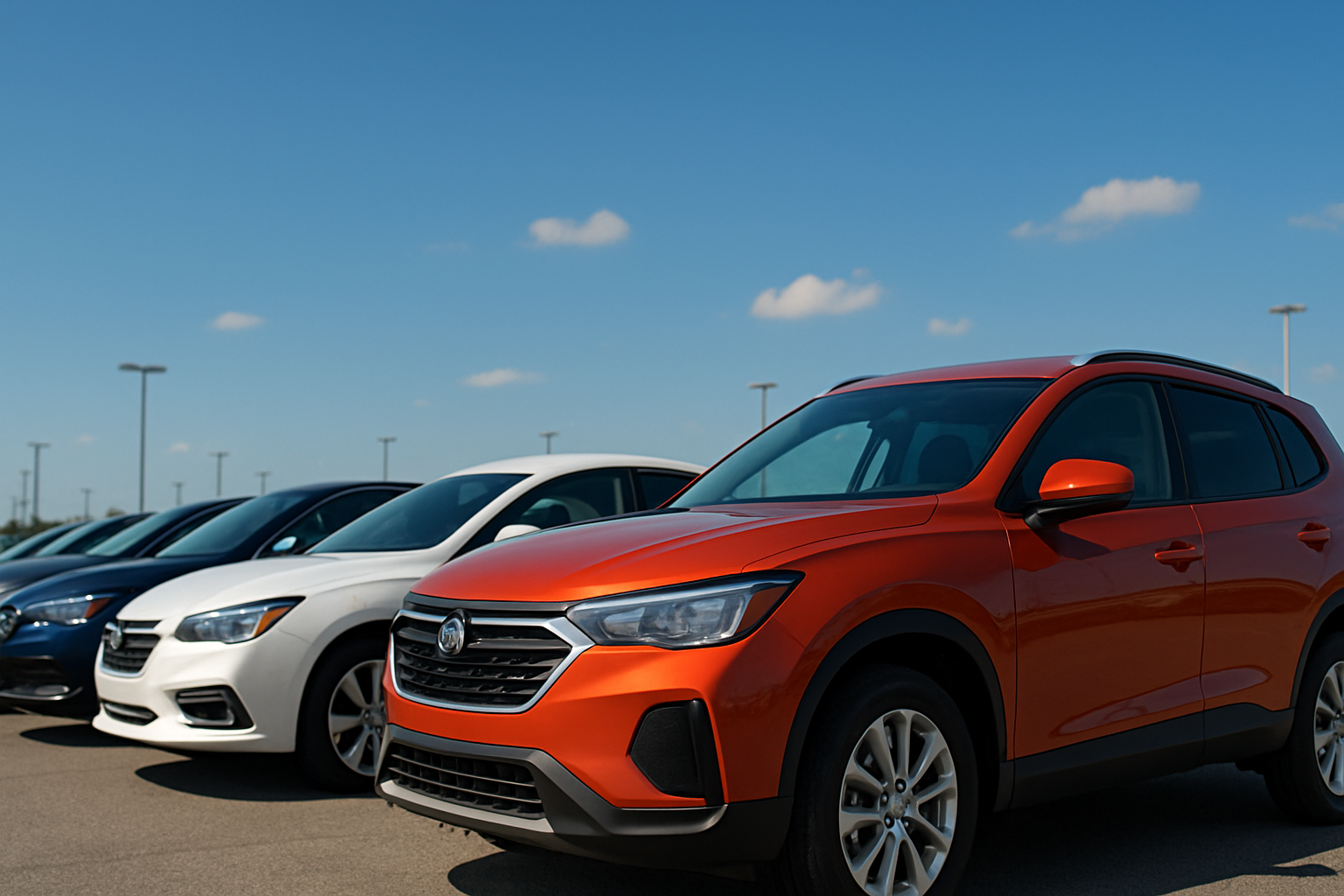
Choosing the right used car for your budget is one of the most important steps in the car buying process. Whether you’re buying a used car to replace your current vehicle, shopping for a reliable used car to commute, or trying to balance monthly payment goals with features you want, understanding the buying process, vehicle history, and total ownership costs will help you buy with confidence.
This guide covers essential factors to consider — from mileage, vehicle history reports, and certified pre-owned options to inspections, financing, and dealership reputation — so you can find a quality used vehicle that fits your budget and lifestyle.
What used car should I consider based on mileage and repair costs?
Mileage is one of the most visible indicators of a used vehicle’s remaining life and potential repair costs. Lower mileage cars often command higher prices but can provide better peace of mind and lower near-term repair costs. When evaluating a used car, compare the mileage to the typical life expectancy of the makes and models you’re considering — some car brands like Toyota and other reliable used car manufacturers are known for longevity even with higher mileage.
Use a repair costs estimate and an online calculator to forecast maintenance expenses, factoring in things like timing belt replacement, brake service, and tires. A vehicle history report can show patterns (frequent repairs, repeated claims) that hint at future costs. If a car has higher mileage but excellent maintenance records and a clean history report, it can still be a good used buy that fits your budget.
How can a vehicle history report and history report help me buy a used with confidence?
A vehicle history report plays a vital role in making an informed used car purchase. A thorough history report reveals title problems, accident history, flood damage, odometer discrepancies, and previous ownership. Using consumer reports and trusted vehicle history services helps you gain peace of mind and avoid hidden issues that lead to unexpectedly high repair costs.
Ask the dealer or private seller for the vehicle history report up front. If you’re buying through a dealership, many dealerships provide history reports for free. For certified pre-owned cars, a complete vehicle history report is often included as part of the certification, giving you more transparency and a clearer picture of the car’s past.
Should I choose certified pre-owned or another pre-owned option when I buy a used car?
Certified pre-owned (CPO) vehicles can offer extra benefits like extended warranties, multi-point inspections, and a guarantee from the manufacturer or dealership. If you want additional peace of mind and are willing to pay a bit more upfront, certified pre-owned can be a smart choice. Compare the terms of the CPO program and the included coverage to ensure it fits your needs and budget.
Non-certified pre-owned cars can still be quality used options if they have been maintained and properly inspected. When considering any pre-owned vehicle, evaluate the inspection records, ask for a vehicle history report, and weigh the difference in price between CPO and non-CPO against potential repair costs and the likelihood of needing covered service.
How important is an inspection before I buy a used vehicle?
Having a used vehicle inspected by an independent mechanic is one of the most effective ways to avoid surprises after purchase. A professional inspection can uncover hidden issues with the engine, transmission, suspension, and safety features that may not show up on a test drive. Many car buyers skip this step to save time, but paying for an inspection upfront can save thousands in future repair costs.
Look for cars that have records showing they were recently inspected or have been through dealer inspections. For private sales, insist on a pre-purchase inspection and make your offer contingent on the findings. Cars that have been inspected and come with documentation of maintenance and repairs are easier to evaluate and often represent better value for your budget.
What should I test drive to verify a used car meets my needs?
A thorough test drive helps you evaluate comfort, performance, and whether the car fits your daily needs. During the test drive, check how the car handles at different speeds, listen for unusual noises, test the brakes and transmission, and make sure the safety features are functioning. Bring a checklist and take at least 20–30 minutes to get a realistic feel for the car.
Try driving in traffic and on the highway to simulate your regular routes. Verify that the car’s features — climate control, infotainment, seat adjustments, and driver-assist safety features — work as expected. If anything feels off, factor potential repair costs into your offer or walk away to look for a better-used car that fits your budget and needs.
How will financing, monthly payment, and car loan options affect my ability to buy a used car?
Financing plays a major role in what used car fits your budget. Use a loan calculator or car payment calculator to test scenarios: different down payments, loan terms, and interest rates. Lower monthly payments might be tempting, but longer loan terms can increase total interest paid and leave you owing more than the car is worth.
Check your credit score before you apply and shop around for pre-approval. Many used car dealerships offer in-house financing or partnerships with lenders, but getting pre-approved allows you to compare interest rates and negotiate better. If you’re trading in, understand the value of your current car and how it affects down payment and monthly payment calculations.
How do I choose the right car brand and makes and models for reliability and resale value?
Some car brands and models have consistently strong reputations for reliability and lower repair costs. Consumer reports, manufacturer reliability rankings, and owner forums can help you narrow down car brands that match your priorities. If low cost of ownership and dependable performance matter most, prioritize makes and models known for durability, like certain Toyota models, combined with good maintenance histories.
Consider how many car brands and specific makes and models are available in your price range and region. Research common issues for the models you’re considering and weigh resale value. A quality used car from a reliable brand may cost a little more upfront but can save you money in repair costs and depreciation over time.
Should I buy from a dealership, used car dealership, or private seller?
Each option has pros and cons. Dealerships and used car dealerships often offer certified pre-owned vehicles, vehicle history reports, warranties, and financing options, which can provide more consumer protection. Buying from a private seller may yield a lower purchase price, but it typically comes with less recourse if problems arise and often no inspection or certification.
When choosing where to buy, consider the level of trust you need, the availability of a vehicle history report, and whether you want the added coverage of a dealership-backed warranty. Reputable dealerships can help streamline the buying process, while private sales may require more diligence — inspection, history report, and clear title verification — to ensure you’re getting the right vehicle that fits your budget.
How do I balance the buying process between buying a new car and buying used?
Deciding between buying a new or used car depends on budget, desired features, and overall value. New cars offer the latest safety features and manufacturer warranties but come with higher purchase prices and faster depreciation. Buying used can deliver more value for your money, especially if you focus on late-model used cars with low mileage and good warranty coverage.
Weigh immediate costs (monthly payment, down payment) against long-term costs (repair costs, depreciation). If you want to buy a used vehicle, look for models that balance modern safety features and technology with affordability. Use consumer reports and dealership offers to compare comparable new and used options and determine which fits your budget needs and lifestyle.
What factors should I consider to ensure the used car fits your budget and needs?
Start by listing your needs and budget: commuting distance, cargo space, safety features, and how long you plan to keep the car. Use a loan calculator to determine a realistic monthly payment and factor in insurance, fuel, maintenance, and potential repair costs. Consider the vehicle that fits your budget not just by price, but by total cost of ownership.
Other factors to consider: availability of parts, fuel efficiency, certification status, and potential trade-in value. Take your time during car shopping, compare multiple cars and dealerships, request vehicle history reports, and get independent inspections to ensure the car you buy will be the right car for your needs without surprising repair costs.
How can consumer reports, inspections, and dealer reputation help me find a trusted used car?
Consumer reports and independent reviews are invaluable when narrowing down models that have strong safety features, low repair costs, and high owner satisfaction. Use these resources to check reliability ratings, common problems, and how different cars perform in safety tests. Coupled with thorough inspections and vehicle history reports, consumer insights make it easier to find the perfect used car.
Research dealership reviews and reputation when choosing where to buy. Trusted used car dealerships often provide transparent vehicle history reports, inspection records, and post-sale support. Whether you’re buying from a dealership or a private seller, verified inspection reports and strong consumer reports backing a model can give you more confidence in your purchase.
How long should I take when choosing the next car to ensure I find the right used car?
Take your time. Rushing the buying process increases the risk of overlooking critical issues that result in higher repair costs or buyer’s remorse. Spend time researching makes and models, using loan calculators, and scheduling inspections. Test drive multiple cars and compare vehicle history reports before making an offer.
If you find a great deal, don’t hesitate to move quickly, but balance speed with diligence. Look for late-model used cars with comprehensive maintenance records, clear vehicle history reports, and preferably some warranty coverage. The goal is to find a reliable used car that fits your budget and gives you peace of mind for years to come.
Conclusion: Key takeaways to find the perfect used car that fits your budget
- Start with needs and budget: list priorities and use a loan calculator to plan monthly payment and overall costs.
- Check vehicle history reports and history report details to avoid hidden problems and reduce repair costs.
- Consider certified pre-owned for added warranty and peace of mind, especially when buying from dealerships.
- Always get an independent inspection and take a thorough test drive to verify condition and safety features.
- Compare car brands and makes and models using consumer reports to find reliable used car options with lower long-term costs.
- Shop financing options and know your credit score before taking out a car loan to secure favorable terms.
- Factor in mileage, maintenance records, and potential repair costs to ensure the car fits your budget and needs.
- Take your time, research dealerships and sellers, and use vehicle history reports to make an informed purchase.
For trusted local help, consider Right Choice Motors LLC, a Used Car Dealer in Springfield, MO, where you can inspect quality used cars, review vehicle history reports, and discuss financing to buy a used or certified pre-owned vehicle that fits your budget. Whether you’re buying a used car or weighing new and used options, a reputable dealership can provide the inspection records, warranty options, and consumer reports insight that help you find the perfect used car. Right Choice Motors LLC focuses on helping buyers find the right vehicle with clear mileage and history, practical monthly payment solutions, and transparency about repair costs so you can confidently buy the right used car that truly fits your budget.
How We Inspect a Used Car: Thorough Used Car Inspection and Pre-Purchase Inspection
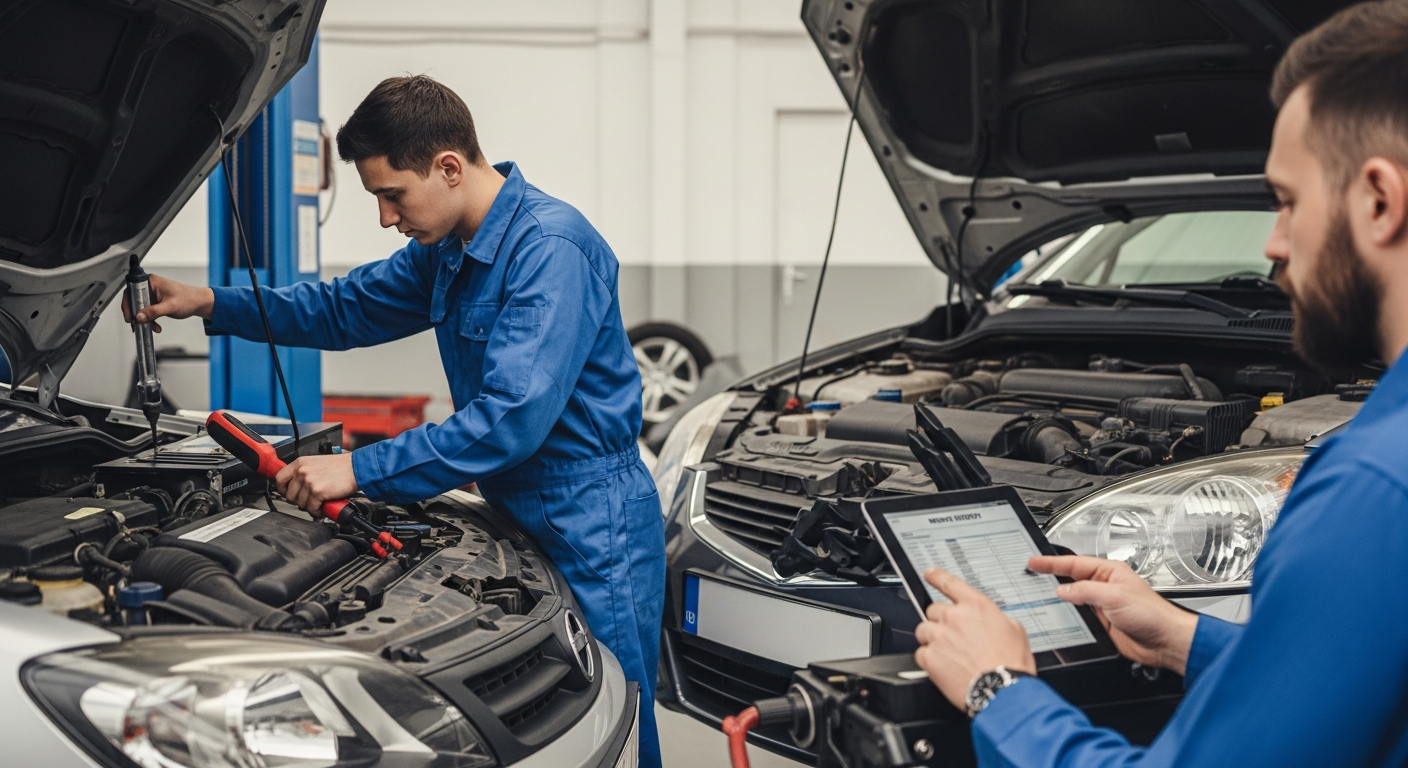
Buying or selling a used car is a significant decision — one that depends on a careful used vehicle inspection and a reliable inspection checklist. Whether you are a buyer researching pre-owned vehicles or a seller preparing to sell the car, understanding how we inspect used vehicles before selling helps you spot hidden problems, assess vehicle history, and make an informed decision. This guide outlines our approach to examining a used car, from the initial visual check to a full pre-purchase inspection by a mechanic, ensuring every used car we handle is well-maintained and ready for the road.
1. How do we begin the used car inspection process at the dealership?
Every used car inspection begins with a structured inspection checklist and an initial walkaround to assess the body condition and identify any dents, dings, or uneven wear. We verify the vehicle identification number (VIN) and check the odometer and mileage against the vehicle history report, like Carfax or AutoCheck, to confirm the car’s history, past accidents, and service history. This step helps reveal if the car has been driven hard, has been cared for, or needs a deeper look for hidden problems.
At the dealership, we also evaluate the exterior for signs of repainting or filler that might indicate past accidents. We check the undercarriage for rust and corrosion and inspect tires for tread depth and sidewall damage. These quick checks help determine whether the used vehicle is a smart investment or needs repairs before selling.
2. What does our inspection checklist include for the engine and mechanical systems?
Our mechanic-led checklist focuses on engine oil condition, leaks, and overall engine health. We inspect the timing belt or chain if applicable, listen for unusual noises, and check battery health and charging systems. A thorough inspection includes testing the power steering, brakes (including brake pads and rotors), and ensuring the transmission shifts smoothly during a test drive. These checks help estimate repair costs and reveal potential issues that could affect safety and performance.
We also run OBDII diagnostics to read fault codes and ensure the motor vehicle does not have active engine or emissions warnings. When buying a used car, this proactive approach gives buyers confidence and sellers a clear picture of what repairs are needed to make the car reliable and well-maintained.
3. How do we inspect the vehicle history and documentation?
Inspecting vehicle history is a cornerstone of any pre-purchase inspection. We obtain a vehicle history report, such as Carfax or AutoCheck, using the VIN to look for past accidents, flood damage, title issues, and past odometer discrepancies. This report, combined with service history and repair receipts, informs us whether the car has been cared for with regular oil changes, scheduled maintenance, and timely repairs.
We verify that the registration, title, and any warranties or certified pre-owned documentation are accurate and current. For buyers, confirming vehicle history reduces the risk of discovering hidden problems after purchase. For sellers, providing transparent documentation builds trust and can improve resale value at the dealership or in private sales.
4. What do we look for when we inspect the interior and electronics?
Inspecting the car’s interior focuses on the headliner, seats, carpets, and dashboard for wear and tear or water stains that may indicate leaks or past flood damage. We look for rips, stains, and uneven wear that suggest the car has not been cared for. Checking navigation, infotainment systems, and all interior electronics—including turn signals, power windows, and climate control—ensures there are no electrical gremlins that can be costly to repair.
We test features like seat adjustments, heated seats, and the backup camera during a pre-purchase inspection. Any malfunctioning electronics or cosmetic issues are documented in the car inspection report so buyers understand repair costs and sellers know what to address before listing the used vehicle.
5. How do we perform a test drive, and what should we monitor?
The test drive is where much of the car’s real condition reveals itself. We drive on mixed roads to check for steering alignment, braking performance, transmission shifting, engine responsiveness, and suspension comfort. During the drive, listen for noises from the engine, suspension clunks, or uneven wear vibrations that may indicate alignment or tire issues. Pay attention to how the car accelerates, idles, and whether the check engine light or other dashboard warnings illuminate.
We also test the car at various speeds to check for stability and to ensure the brakes provide consistent stopping power. A thorough test drive is a critical part of used car buying and selling because it helps identify hidden problems that a visual inspection might miss.
6. When should we call a mechanic for a pre-purchase inspection (PPI)?
A pre-purchase inspection (PPI) by a qualified mechanic is recommended for most used-vehicle purchases, especially for older cars, high-mileage vehicles, or when buying from a private seller. A mechanic can perform special tests, use diagnostic tools like OBDII scanners, inspect the undercarriage for rust, and evaluate items that require special tools, such as the timing components or internal transmission inspection.
For buyers, a PPI provides peace of mind and a clearer estimate of repair costs, helping you decide whether to buy, negotiate a price, or walk away. For sellers, having a recent PPI can increase buyer confidence and streamline the process of selling your car at a dealership or privately.
7. How do we check tires, brakes, and suspension during inspection?
Tire inspection includes checking tread depth, sidewall condition, and looking for uneven wear patterns that might indicate alignment problems or suspension issues. We measure tread depth and look for bald spots, which affect safety and could lead to uneven handling. Brake inspection involves checking pad thickness, rotor condition, and any signs of brake fluid leaks or unusual wear.
For suspension, we look for worn bushings, leaking shocks, and perform a bounce test to evaluate damping. These elements directly impact ride quality and safety, and determining repair costs for brakes or suspension is an essential consideration in the used car purchase process.
8. How do we assess the exterior and structural condition for hidden problems?
Exterior and structural inspection means checking for dents, paint inconsistencies, and signs of repair that could hint at past accidents. We look for mismatched panels, overspray on trim, and gaps that may suggest bodywork. Inspecting the undercarriage for rust and damage reveals exposure to salt or water, which can cause long-term problems and affect the car’s value.
We also check the seams, headlight, and taillight condition, and the overall body condition to ensure the vehicle is presentable and structurally sound. A thorough assessment helps determine whether a used car is a reliable car or a vehicle with hidden problems that could increase repair costs.
9. What role do vehicle history reports, like Carfax or AutoCheck, play in our inspection?
Vehicle history reports are indispensable tools in a used car inspection. A Carfax or AutoCheck report provides details on past accidents, title status, odometer readings, and service records. These reports flag potential red flags such as salvage titles or inconsistent mileage, helping buyers and dealerships make informed decisions about the safety and value of the vehicle.
While history reports are powerful, they should be paired with a physical inspection and a mechanic’s evaluation to catch issues not recorded in the database. Combining reports, PPI, and a buyer’s own test drive gives the most comprehensive view of a used car’s condition.
10. How do we prepare a used car for selling and ensure it is well-maintained?
Preparing a used car for sale includes addressing minor repairs, performing routine maintenance like oil changes, replacing worn tires, and ensuring brakes are in good condition. Cleaning the car thoroughly, both inside and out, and fixing cosmetic issues like small dents or headliner stains improves buyer perception and increases market value. Providing service history and a recent inspection checklist or PPI can accelerate sales at dealerships or in private transactions.
For sellers, disclosing known issues and offering a clean vehicle history report builds trust. At dealerships, we often certify pre-owned vehicles after completing multi-point inspections and repairs, creating a reliable car that can be backed by warranty programs and give buyers confidence in their smart investment.
11. How do we evaluate high-risk items like odometer rollback, flood damage, or frame damage?
Detecting odometer rollback requires comparing the odometer reading with service records and the vehicle history report. Inconsistent mileage entries or sudden drops in recorded mileage are red flags. Flood damage can be revealed by musty odors, water stains in carpets and headliner, and corrosion in hidden areas like behind panels or under the trunk mat. Checking electronics for unexplained failures also helps detect past water exposure.
Frame damage assessment includes looking for welds, mismatched bolts, and uneven panel gaps; a professional mechanic or body shop inspection is recommended for suspected structural damage. Addressing these high-risk items before buying or selling the car reduces long-term repair costs and personal liability concerns.
12. How do we estimate repair costs and decide whether to buy or sell?
Estimating repair costs begins with a mechanic’s assessment and gathering quotes for necessary repairs. Factor in parts (OEM vs aftermarket), labor, and whether the vehicle will be certified pre-owned after repairs. Compare repair costs to the market value of similar well-maintained vehicles; if repair costs exceed the premium you gain by fixing issues, it might be better to negotiate the price or walk away.
For sellers, understanding repair costs helps set a realistic asking price or decide whether the dealership should perform the repairs prior to listing. For buyers, a clear estimate of repair costs provides leverage in negotiations and helps determine if the used car purchase is a smart investment.
13. How do dealerships like ours use this inspection process to support used-car buyers?
Dealerships use a standardized pre-purchase inspection and vehicle inspection checklist to ensure every used car meets quality standards before it hits the lot. This includes verifying vehicle history, performing a PPI, and addressing mechanical or cosmetic issues. Certified pre-owned programs add extra assurance with extended warranties and thorough service history documentation, appealing to buyers seeking reliability and peace of mind.
At the dealership, transparent communication about inspection findings, documented repairs, and available vehicle history reports helps buyers make an informed decision. A well-documented inspection process reduces the risk of hidden problems and improves buyer satisfaction during the car-buying journey.
14. What final checks do we perform before listing a used vehicle for sale?
Final checks include confirming all fluid levels (engine oil, transmission fluid, brake fluid), ensuring lights and signals function properly, and that tires meet safety standards. We also re-run a quick diagnostic scan, verify the VIN and title paperwork, and perform a final test drive to confirm there are no new or intermittent issues. A last cosmetic detail, like cleaning the car and addressing small dents, improves presentation.
Providing potential buyers with a detailed inspection checklist, vehicle history report, and any receipts for recent repairs or maintenance increases transparency. These steps support an honest sale and make selling your car at a dealership or privately more efficient and trustworthy.
15. How can buyers and sellers make the most informed decision using our inspection findings?
Buyers should get a copy of the inspection checklist, vehicle history report, and consider a mechanic’s PPI to corroborate dealership findings. Use the information to negotiate price, ask for repairs, or make a contingency offer. Sellers should address major maintenance items and have documentation ready to prove the car has been cared for, such as oil changes and service history, increasing buyer confidence and sale price.
Ultimately, combining inspection findings, vehicle history, and a thorough test drive empowers both buyers and sellers to make an informed decision. Whether you’re buying a used car or selling one, a transparent and thorough inspection process reduces surprises and helps find a reliable car for its next owner.
16. What should be on your personal inspection checklist when buying a used car?
Create a personal inspection checklist before you visit a dealership or private seller: verify VIN and vehicle history report, inspect body for dents and rust, check tires and tread depth, test electronics and navigation, and bring a mechanic for a PPI. Include a test drive checklist: listen for noises, test brakes, evaluate steering, and observe transmission shifts. Having a checklist prevents overlooking crucial details that can uncover hidden problems.
Bring a flashlight, a magnet (to detect filler on body panels), and a smartphone to record any issues. Ask for service history and receipts for oil changes and repairs. A well-prepared buyer is more likely to spot issues and negotiate effectively, ensuring a smart investment when purchasing a pre-owned vehicle.
Summary of Key Takeaways
- Start with a thorough used car inspection checklist: VIN, mileage, and vehicle history report are essential.
- Perform a detailed visual inspection: check the body for dents, the undercarriage for rust, and the tires for uneven wear.
- Have a mechanic conduct a pre-purchase inspection (PPI) and run OBDII diagnostics for hidden problems.
- Test drive the car on mixed roads to evaluate brakes, transmission, steering, and overall performance.
- Review Carfax/AutoCheck reports, service history, and receipts to confirm the car has been cared for.
- Estimate repair costs against market value to determine if the used car purchase is a smart investment.
- Dealerships should provide transparent documentation and a multi-point inspection to build buyer trust.
At Right Choice Motors LLC, a Used Car Dealer in Springfield, MO, we use a standardized inspection checklist and experienced mechanics to inspect every used car before selling. Our pre-purchase inspection process includes vehicle history report checks like Carfax, a professional mechanic evaluation, and a comprehensive test drive to uncover hidden problems. Whether you are buying or selling your car, rely on our thorough inspection to review mileage, service history, and repair costs so you can make an informed decision about a reliable car. Choosing the right dealership means your pre-owned vehicle is well-maintained, clean, and ready for its next owner — a smart investment supported by transparent car inspection and honest service.